
Is Your Insurance Settlement Offer Too Low? Here's What to Know

Key Takeaways
- Insurance settlement offers may overlook medical expenses and future losses.
- Strong documentation can help support a higher settlement request.
- A personal injury attorney can review your offer before you sign.
Understanding Your Insurance Settlement Offer
Receiving an insurance settlement offer after an accident can feel like a relief, especially when medical bills are adding up and you've missed time at work. However, an initial offer may not fully reflect the financial and personal impact of your injuries. Before accepting a settlement, it's important to understand how the amount was determined and whether it adequately addresses your losses.
Insurance companies evaluate personal injury claims using medical records, liability assessments, policy coverage, and other available evidence. While some offers are reasonable, others may not account for ongoing medical treatment, lost income, or the long-term effects of an injury. A low offer does not necessarily mean an insurance company has acted improperly, but it may indicate that the claim deserves additional review.
If you've received an insurance settlement offer in West Virginia that seems too low, understanding your options can help you make an informed decision. An experienced personal injury attorney can evaluate the proposed settlement, review the available evidence, and help determine whether additional negotiations may be appropriate.
Why Insurance Companies May Offer Less Than You Expect

Insurance companies evaluate claims based on the available documentation, applicable insurance coverage, and their assessment of legal responsibility. The amount offered may differ from what an injured person expects because the insurer disputes certain expenses, questions the severity of an injury, or believes the claimant shares responsibility for the accident.
One common issue involves the timing of a settlement offer. When an insurance company evaluates a claim before medical treatment is complete, the full extent of the injuries may not yet be known. Future appointments, rehabilitation, and ongoing limitations can affect the overall cost of recovery. If those expenses are not adequately considered, the proposed settlement may fall short of the injured person's actual losses.
Several factors can contribute to a lower settlement evaluation, including:
- Incomplete medical documentation: The insurer may not have received records showing the full extent of the injuries.
- Disputed liability: The insurance company may believe the injured person contributed to the accident.
- Questions about treatment: An adjuster may dispute whether certain medical services were necessary or related to the accident.
- Uncertain future expenses: Ongoing treatment and anticipated medical needs may not be fully established.
- Insurance policy limits: Available coverage may restrict the amount an insurer is obligated to pay.
These factors do not automatically justify a low offer. However, understanding the insurer's reasoning can help identify whether additional evidence or negotiations are necessary.
Is the First Settlement Offer Usually the Final Offer?
An initial settlement offer may serve as the starting point for negotiations rather than the final amount an insurance company is willing to pay. Depending on the circumstances, additional medical records, employment documentation, or other evidence may support a request for more compensation.
However, an insurance company is not required to increase its offer simply because a claimant disagrees with the amount. A counteroffer should explain why the proposed settlement is insufficient and provide documentation supporting the additional compensation requested.
Before responding, review the offer carefully and determine whether accepting it would require you to release future claims related to the accident.
How Insurance Companies Calculate Personal Injury Settlements
There is no universal formula that determines the value of every personal injury claim. Insurance companies consider several factors, including the severity of the injuries, medical expenses, lost income, liability, and the amount of insurance coverage available.
Some insurers use computerized claims-evaluation systems to assist with bodily injury assessments. These systems can help insurers organize claim information and evaluate potential settlement amounts. However, not every insurance company uses the same software, and computerized evaluations do not independently determine the legal value of a claim.
The following categories may influence a personal injury settlement:
| Damage Category | What May Be Considered |
|---|---|
| Medical expenses | Emergency care, hospital bills, medications, rehabilitation, and related treatment |
| Future medical care | Reasonably anticipated treatment, therapy, procedures, and ongoing care |
| Lost wages | Income missed because of accident-related injuries |
| Reduced earning capacity | Long-term limitations affecting the ability to earn income |
| Pain and suffering | Physical pain and other qualifying noneconomic losses |
| Property damage | Repair or replacement costs when recoverable under the claim |
The amount recoverable for each category depends on the facts of the case, applicable law, liability, and available coverage.
Medical Expenses and Future Treatment

Medical expenses are often a significant component of a personal injury claim. Emergency treatment, hospital stays, diagnostic testing, prescription medications, and physical therapy can create substantial financial obligations following an accident.
Future treatment needs can also affect settlement negotiations. Someone recovering from a serious injury may require additional procedures, rehabilitation, or long-term medical care. If a settlement is reached before these needs are adequately evaluated, the injured person may face expenses that were not included in the agreement.
Medical records, treatment plans, and information from healthcare providers can help establish the extent of an injury and whether additional care is reasonably anticipated.
Lost Income and Reduced Earning Capacity
An accident can affect a person's ability to work, sometimes long after the initial injury. Depending on the circumstances, an injured individual may miss several days of employment, experience reduced hours, or be unable to return to their previous position.
Lost wages generally concern income missed because of an injury. Reduced earning capacity involves the potential effect of lasting injuries on a person's ability to earn income in the future. These are related but distinct considerations during settlement evaluations.
Pay statements, employment records, tax documents, and medical restrictions can help demonstrate the financial impact of an accident.
Pain, Suffering, and Daily Limitations

Not every consequence of an accident can be measured through medical bills or employment records. Physical pain, emotional distress, reduced mobility, and limitations on everyday activities may also be relevant to a personal injury claim.
These losses are commonly described as noneconomic damages. Their evaluation depends on the circumstances, including the severity of the injuries, the duration of recovery, and the effect on the injured person's life.
For additional information about injury-related claims, visit the Hicks Law Office Personal Injury page.
Five Signs Your Insurance Settlement Offer May Be Too Low
A settlement offer that falls below your expectations is not automatically unreasonable. However, certain circumstances may suggest that important information was overlooked or that the insurance company's evaluation requires further examination.
1. The Offer Does Not Adequately Address Medical Expenses
If the proposed settlement does not account for significant medical expenses related to your accident, it may be worth reviewing how those expenses were evaluated. An insurer may question whether certain treatments were necessary, related to the accident, or supported by the available documentation.
Although the amount recoverable depends on liability, insurance coverage, and other factors, substantial unexplained differences between documented expenses and the settlement offer may justify additional questions.
2. You Are Still Receiving Medical Treatment
Accepting a settlement before your condition has stabilized can create uncertainty about future expenses. Additional treatment, physical therapy, or medical procedures may become necessary as your recovery progresses.
Before accepting an offer, consider whether your healthcare providers have identified ongoing treatment needs or lasting limitations that should be included in the claim evaluation.
3. The Insurance Company Disputes Your Injuries
Insurance adjusters may question whether particular injuries resulted from the accident or whether certain medical treatments were necessary. These disputes can influence the amount offered, especially when medical documentation is incomplete.
Although disagreements about treatment do not automatically indicate improper conduct, supporting medical records and other evidence may help clarify the relationship between the accident and the injuries.
4. Lost Income Was Not Fully Considered
If your injuries caused you to miss work or reduced your ability to earn income, those financial losses may be relevant to your settlement.
An offer that focuses primarily on medical expenses may not fully address documented lost wages or potential future employment limitations. Providing employment records and medical documentation can help establish these losses.
5. You Are Being Pressured to Accept Quickly
Settlement agreements often require injured individuals to release certain legal claims in exchange for payment. Once a valid agreement is finalized, pursuing additional compensation for those released claims may be difficult or impossible.
If you feel pressured to sign before understanding the terms, consider obtaining legal advice before making a decision.
What to Do If You Receive a Low Insurance Settlement Offer
Receiving an offer that seems insufficient does not necessarily mean you have to accept it. Depending on the circumstances, you may be able to request an explanation, provide additional documentation, submit a counteroffer, or seek legal representation.
Taking an organized approach can help you better understand the proposed settlement and determine whether further negotiations are appropriate.
Review the Settlement Offer Carefully
Start by examining the proposed settlement and any explanation provided by the insurance company. Determine which expenses were considered, whether future treatment was included, and whether the insurer reduced the amount because of a liability dispute.
Before accepting, make sure you understand:
- The total settlement amount being offered.
- Which injuries, expenses, and claims the payment is intended to resolve.
- Whether the agreement requires a release of additional legal claims.
- Whether outstanding medical bills or reimbursement obligations may affect the amount you receive.
- Any deadlines or conditions associated with the offer.
Understanding these details can help you identify potential concerns before entering into a binding agreement.
Gather Evidence Supporting Your Claim

Documentation plays an important role in personal injury settlement negotiations. Medical records, accident reports, photographs, and employment information can help establish the circumstances of the accident and the resulting losses.
Helpful documentation may include:
- Medical bills, treatment records, and discharge instructions.
- Photographs of injuries, vehicle damage, or the accident scene.
- Police reports and available witness information.
- Pay statements or employer records documenting missed work.
- Written communications with the insurance company.
- Healthcare provider recommendations concerning future treatment.
Keep copies of the information you submit to the insurer and maintain a record of important communications.
The National Association of Insurance Commissioners provides consumer information about insurance coverage, claims, and related issues that may help individuals better understand the claims process.
Request an Explanation and Consider a Counteroffer
If the proposed settlement appears incomplete, ask the insurance adjuster to explain how the amount was determined. Understanding whether the insurer disputes medical expenses, liability, or another part of the claim can help you identify what information may be needed.
A counteroffer should be supported by evidence rather than an arbitrary amount. Updated medical records, proof of lost wages, or additional documentation may help explain why a different settlement figure is appropriate.
Negotiations do not guarantee a higher settlement. However, providing accurate information and clearly explaining your losses can help ensure that the insurer considers the available evidence.
Speak With a Personal Injury Attorney
A personal injury attorney can evaluate the proposed settlement in the context of the injuries, available documentation, and applicable law. Legal representation may be particularly helpful when a claim involves serious injuries, disputed liability, or significant financial losses.
Depending on the circumstances, an attorney may assist with reviewing records, evaluating damages, communicating with the insurer, and determining whether further negotiations or litigation may be appropriate.
If your injuries resulted from a vehicle collision, the Hicks Law Office Car Accidents page provides additional information about the firm's representation of injured individuals.
Can a Low Settlement Offer Be Considered Insurance Bad Faith?

A low insurance settlement offer does not automatically constitute insurance bad faith. Insurance companies and claimants may have legitimate disagreements about liability, medical treatment, coverage, or the amount of compensation owed.
However, West Virginia law regulates certain unfair insurance claims settlement practices. Under West Virginia Code §33-11-4(9), prohibited general business practices include certain failures to investigate claims reasonably, misrepresentations of relevant policy provisions, and failures to attempt fair settlements when liability has become reasonably clear.
Examples of conduct that may raise concerns under the applicable law include:
- Misrepresenting relevant facts or insurance policy provisions.
- Refusing to pay claims without conducting a reasonable investigation.
- Failing to respond reasonably promptly to claims communications.
- Failing to provide a reasonable explanation for a denial or compromise settlement offer.
- Failing to attempt a prompt, fair settlement when liability has become reasonably clear.
The statute's unfair settlement practices provision includes a requirement concerning conduct performed with sufficient frequency to indicate a general business practice. Whether particular conduct supports a legal remedy requires an evaluation of the applicable law and circumstances.
First-Party vs. Third-Party Insurance Claims
A first-party insurance claim generally involves seeking benefits under your own insurance policy. Depending on the circumstances, this might include certain uninsured or underinsured motorist claims.
A third-party claim typically involves seeking compensation from another person's liability insurer after an accident allegedly caused by that person.
This distinction matters because West Virginia law provides different remedies depending on the type of claim. Under West Virginia Code §33-11-4a, third-party claimants cannot bring a private cause of action for unfair claims settlement practices or bad-faith settlement conduct. The statute instead provides an administrative complaint process through the Insurance Commissioner for those allegations.
An attorney can evaluate the circumstances and explain which legal remedies, if any, may be available.
How a Personal Injury Attorney Can Help With Settlement Negotiations
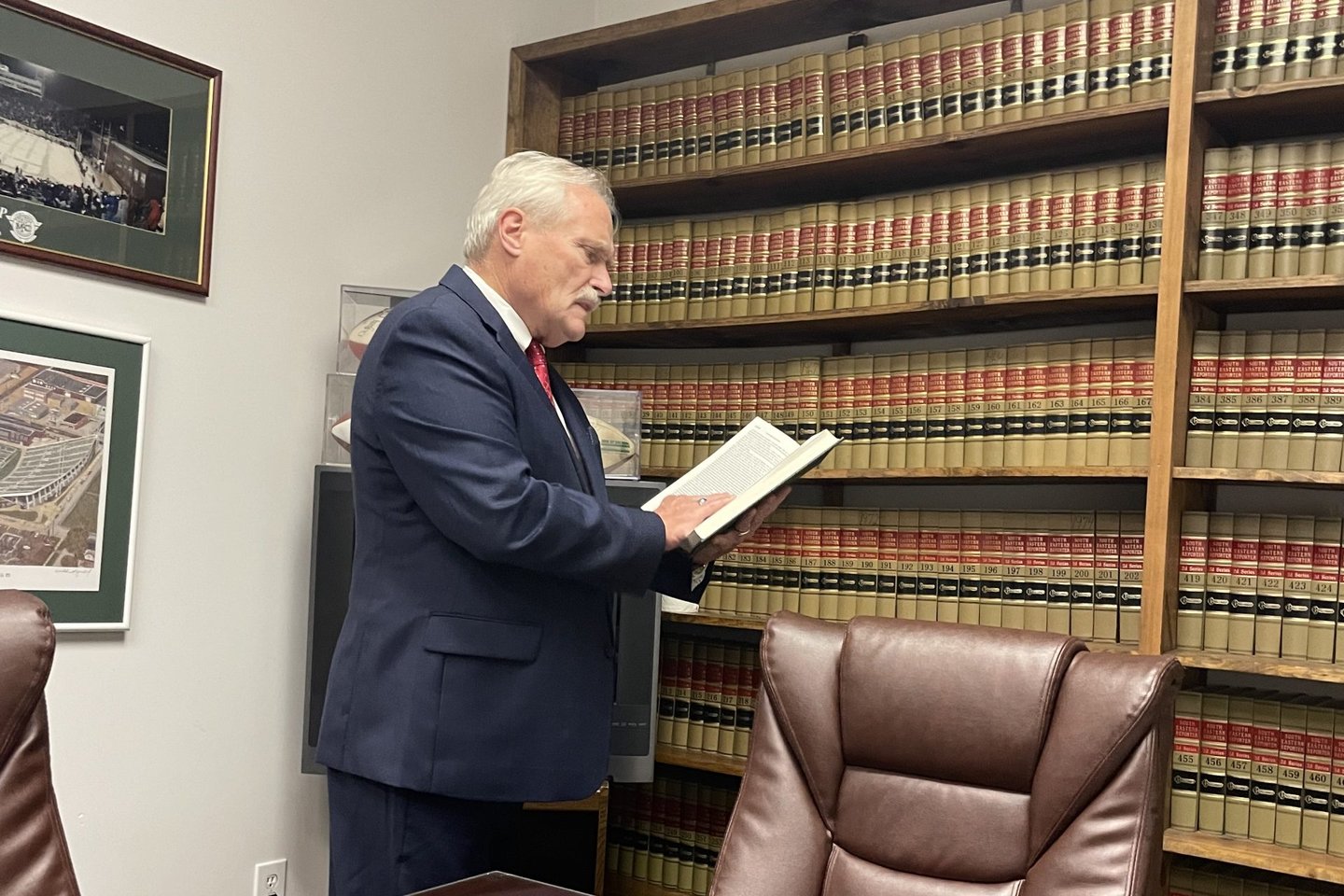
Negotiating an insurance settlement involves more than requesting a higher payment. It requires understanding the available evidence, the legal issues affecting the claim, and the potential consequences of accepting an agreement.
An attorney can help evaluate several important aspects of a personal injury claim, including:
- Liability: Reviewing the evidence to determine who may be legally responsible for the accident.
- Medical documentation: Examining records that establish the extent of the injuries and treatment needs.
- Financial losses: Evaluating documented medical expenses, lost wages, and other recoverable damages.
- Insurance coverage: Reviewing applicable policy provisions and coverage limits.
- Settlement terms: Explaining the legal consequences of accepting an offer and signing a release.
Legal representation may also be important when the insurance company disputes responsibility for an accident. West Virginia follows a modified comparative fault system, meaning an injured person's share of responsibility can affect the compensation available.
Under West Virginia Code §55-7-13c, a plaintiff's fault generally reduces their recovery proportionally, and recovery is barred when the plaintiff's fault is greater than the combined fault of all other responsible persons. This means fault allocations can significantly affect a personal injury claim.
Hicks Law Office represents individuals in Huntington, West Virginia, and surrounding communities in personal injury matters. Understanding your legal options before accepting a settlement can help you make a more informed decision about your claim.
Frequently Asked Questions About Insurance Settlement Offers

Do I Have to Accept the First Insurance Settlement Offer?
No. In many situations, you can reject an initial offer and continue negotiations. However, an insurance company is not automatically required to increase its offer. Your options depend on the evidence, liability, coverage, and circumstances of the claim.
Can I Negotiate an Insurance Settlement Without an Attorney?
Yes. Individuals can generally negotiate directly with insurance companies. However, legal guidance may be helpful when a claim involves serious injuries, disputed liability, significant financial losses, or complex coverage questions.
How Do I Know If My Settlement Offer Is Fair?
A settlement offer should be evaluated based on documented injuries, medical expenses, lost income, potential future losses, liability, and available insurance coverage. There is no universal formula that determines the value of every personal injury claim.
Can an Insurance Company Withdraw a Settlement Offer?
Depending on the circumstances and applicable law, an insurance company may be able to withdraw or revise an offer before a binding settlement agreement is reached. It is important to understand any deadlines or conditions associated with the offer.
Should I Accept a Settlement Before Finishing Medical Treatment?
Accepting a settlement while treatment is ongoing can create uncertainty about future medical expenses. Because settlement agreements often include a release of claims, consider obtaining legal advice before making a final decision.
Know Your Options Before Accepting a Settlement
An insurance settlement offer may not always reflect the full impact of an accident. Medical expenses, lost wages, ongoing treatment, and the circumstances surrounding liability can all influence the amount of compensation available. Understanding how insurers evaluate claims can help you recognize when an offer deserves a closer look.
Before accepting a settlement, review the proposed amount carefully, gather documentation supporting your losses, and make sure you understand the terms of any release agreement. If the offer does not adequately address your injuries and related expenses, additional negotiations or legal guidance may be appropriate.
An experienced personal injury attorney can review your situation, explain your options, and help you make an informed decision before resolving your claim.
Have Questions About Your Insurance Settlement Offer?

Get a Free Case Review Before You Sign
If you've received an insurance settlement offer and aren't sure whether it adequately addresses your losses, Hicks Law Office can help you understand your options. Contact our Huntington, West Virginia office to discuss your situation before accepting an agreement.
Phone: 304-525-3201